The Biology Behind Project Hail Mary

If you’re a science fiction fan, you’ve probaby heard that Project Hail Mary by Andy Weir which is being adapted into a hit movie. In this story, Ryland Grace is sent on a desperate mission to save Earth from Astrophage, a mysterious microorganism that absorbs stellar energy and threatens life on early. Along the way, he meets Rocky, an alien, and the two work together to save both of their worlds. But how much of the biology in the story in actually realistic?
How Biologically Realistic is Astrophage?
Astrophage is a hypothetical organism with extremely efficient energy metabolism. Unlike other organisms that rely on chemical energy or photosynthesis, Astrophage directly captures and stores the sun’s radiation at an unprecedented scale. This represents an extreme extension of energy transduction, in which electromagnetic radiation is converted into usable energy with near-perfect efficiency. The idea may be inspired by real processes such as photosynthesis, in which organisms capture light energy, but Astrophage takes that idea to an extreme far beyond known biology.
Rocky as an Alternative Form of Life
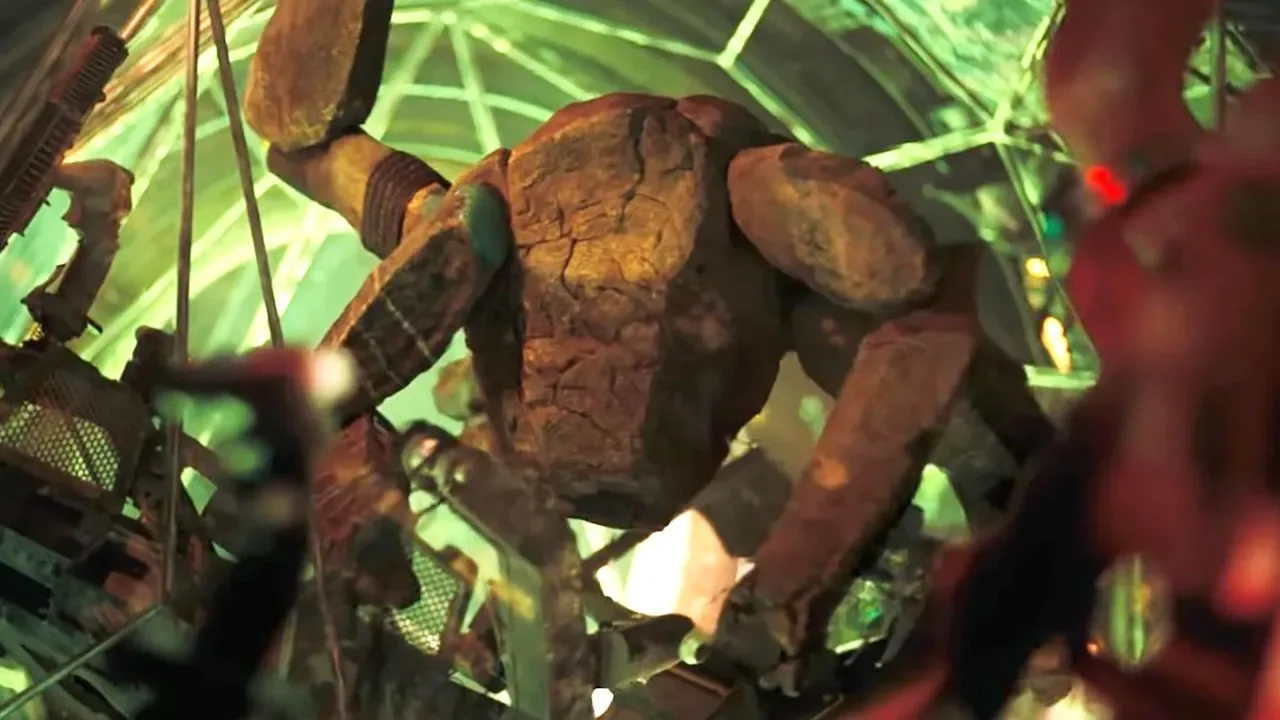
While Astrophage pushes the limits of metabolism and energy storage, Rocky introduces a different biological question: how different could alien life really be from life on Earth? Rocky represents the possibility that life elsewhere may be built on very different chemistry from life on Earth. His species is adapted to a high-pressure, ammonia-based environment, which makes him biologically fascinating. On Earth, extremophiles already exist in environments such as deep-sea vents and highly acidic conditions, demonstrating that life can adapt to a wide range of physical and chemical constraints. Still, the idea of large silicon- or rock-based macroscopic organisms remains debated and currently unsupported by current biology.
Astrophage, Taumoba, and Predator-Prey Dynamics
A key ecological idea is the predator–prey relationship between Astrophage and Taumoeba. This interaction regulates population size and keep the system balacne, mirroring fundamental ecological principles seen across Earth’s ecosystems. From bacteria–virus interactions to larger food webs, these kinds of dynamics are essential for stability. In that sense, this part of the story feels strongly grounded in real biology.
Ultimately, Project Hail Mary is more than a story about whether alien biology could exist. It shows that even life on another world is built differently,what might those forms still have in common? At the same time, through Astrophage, Rocky, and the relationship between Grace and Rocky, the story suggests that biology is not only about difference, but also about connection and understanding.