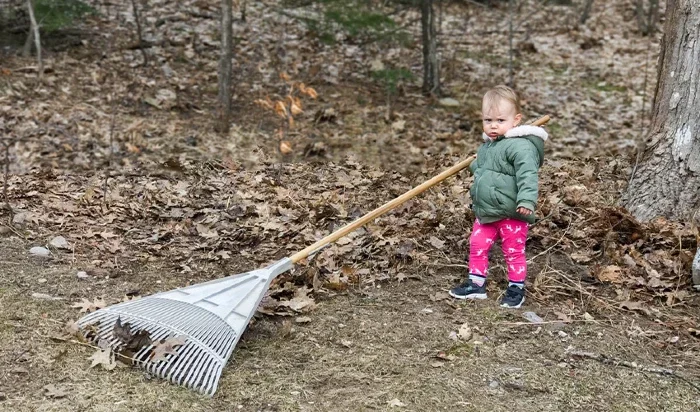
It’s November, and in many parts of the world, leaves are changing colors and falling onto people’s lawns. Your parents may have already started making you rake the leaves, a common chore that many kids dread. It’s a relatively well-known fact that fallen leaves help recycle nutrients back into the soil, keeping it healthy and supplying organic matter and nutrients for future plant growth. However, many people still rake their lawns to keep them looking tidy. This raises an interesting question: Are there actually benefits to raking leaves beyond simply keeping lawns neat?
Soil is made up of several layers, and one of the most important is the O horizon, also known as the organic layer. It is the topmost layer of soil, consisting mostly of organic matter such as fallen leaves, needles, twigs, moss, dead animals, and decaying plant and insect remains. Over time, these materials decompose and break down into a substance called humus, a dark, nutrient-rich material that plays an important role in maintaining soil fertility and supporting future plant growth.
Having healthy soil goes beyond just benefiting future plant growth. Healthy soil can also reduce erosion and surface runoff by allowing water to infiltrate the ground more easily, rather than flowing across the surface. This helps prevent soil and nutrient loss while also allowing more water to be stored in the ground, where it can be used by plants.
Fallen leaves also provide important habitats for many small organisms. Insects, worms, and other invertebrates use leaf litter for shelter, food, and protection from harsh winter conditions. Some butterflies and moths even spend the winter in fallen leaves as eggs, caterpillars, or pupae. Removing these leaves can disrupt these habitats and affect the organisms that depend on them.
As you can see, fallen leaves play an important role in many environmental processes, contributing to everything from soil health and nutrient cycling to erosion prevention and wildlife habitats. It may now seem like a no-brainer to leave them in your yard, but there are still negative effects that arise from not tidying up your yard a little.
When too many leaves accumulate on the ground, they can form a thick layer that blocks sunlight from reaching the grass underneath. Without enough sunlight, grass cannot photosynthesize as effectively, limiting its ability to produce the energy needed for growth and survival. Over time, this can weaken the grass, causing it to turn yellow or brown and potentially die.
Another problem is that thick layers of leaves can trap excess moisture and limit airflow near the soil's surface. These damp conditions can encourage the growth of fungi and increase the risk of lawn diseases, especially when leaves remain wet for long periods. Additionally, when leaves become compacted by rain or snow, they can form a dense mat that further smothers the grass underneath. This can prevent healthy growth and leave behind bare patches in the lawn when spring arrives.
Fallen leaves can also contribute to water pollution, especially when they accumulate on streets and sidewalks. During heavy rainfall, leaves can be washed into storm drains, which often lead directly into nearby rivers, lakes, and streams. As these leaves decompose, they release nutrients such as nitrogen and phosphorus into the water. Although these nutrients are beneficial for plants on land, excessive amounts in aquatic ecosystems can lead to eutrophication, a process in which excess nutrients encourage rapid algae growth. When these algae eventually die and decompose, bacteria consume dissolved oxygen in the water, potentially creating low-oxygen conditions that can harm fish and other aquatic organisms. Large accumulations of leaves can also clog storm drains, increasing the risk of localized flooding.
Raking leaves helps prevent these problems by removing excess leaf buildup, allowing sunlight, air, and water to reach the grass more easily.
Here are some tips to help you balance a tidy, attractive yard with protecting the environment and maintaining a healthy lawn!
1. Mulch your leaves: Instead of raking up all your leaves, use a lawn mower to shred them into smaller pieces. This allows them to decompose more quickly and return nutrients to the soil without smothering the grass.
2. Leave some leaves in garden beds: Rake leaves into flower beds or around trees and shrubs, where they can help retain moisture, enrich the soil, and provide habitats for insects and other small organisms.
3. Keep leaves off streets and sidewalks: Remove leaves from paved surfaces and storm drains to prevent clogging and reduce the amount of nutrients washed into nearby waterways.
4. Compost excess leaves: Instead of throwing away collected leaves, add them to a compost pile. Over time, they will break down into nutrient-rich compost that can be used to fertilize your garden.
5. Avoid thick layers of leaves on your lawn: A few scattered leaves generally won't harm your grass, but thick piles can block sunlight and trap moisture. Rake or mulch areas where too many leaves have accumulated.
6. Leave some undisturbed areas for wildlife: If possible, keep a small area of leaf litter in a garden corner or beneath shrubs throughout the winter. This provides shelter for insects and other organisms until spring.
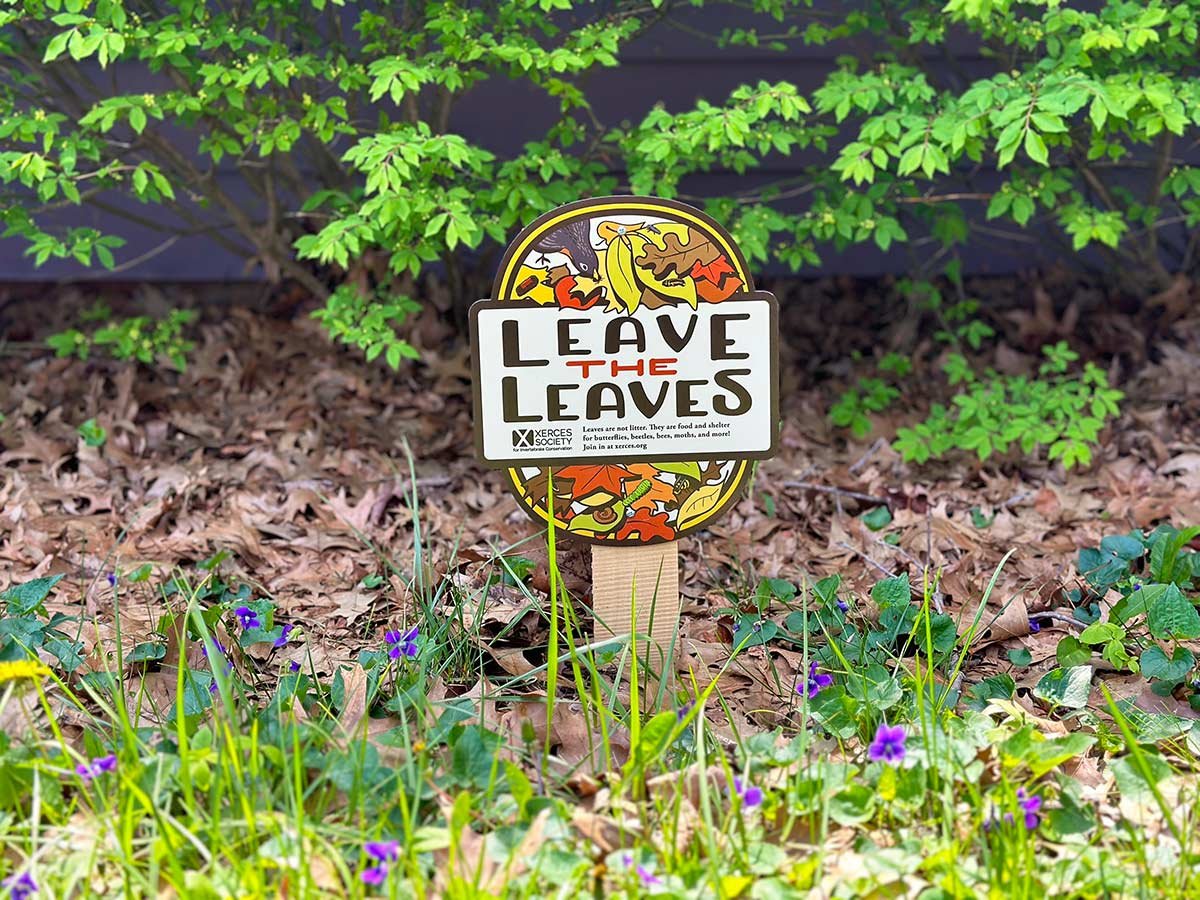
You probably won’t even have to change much about your usual raking routine. After all, it’s nearly impossible to collect every last leaf in your yard, and most people naturally leave a few scattered leaves behind. However, it’s also helpful to consider some of the less commonly practiced ways to manage fallen leaves during the fall. Whether it's mulching leaves, composting them, or leaving some in garden beds, even small changes can make a positive environmental impact. Ultimately, the goal isn't to stop raking leaves altogether, but rather to find a balance between keeping your yard looking nice and allowing nature to do its job. So the next time you're outside raking leaves, remember that what might seem like a simple fall chore is actually connected to many important environmental processes!
