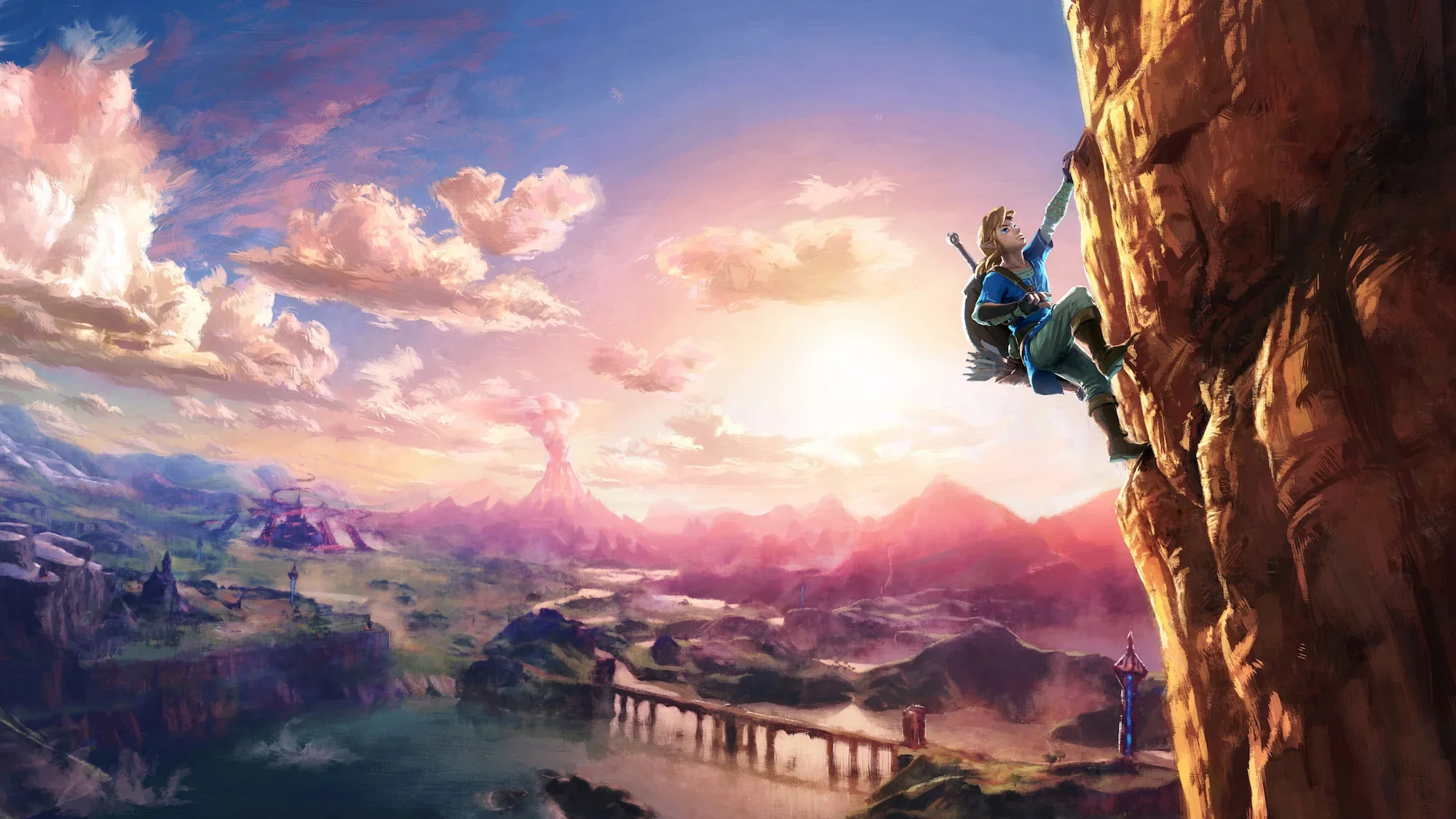
Biomes of BOTW

One of the reasons The Legend of Zelda: Breath of the Wild feels so immersive is that its world, Hyrule, resembles real ecosystems found on Earth. Instead of one uniform landscape, the game includes deserts, volcanoes, snowy mountains, wetlands, forests, and plains. These environments closely match real-world biomes, showing how climate, geography, and ecosystems shape the landscape. Adding in the open-world gameplay, Breath of the Wild becomes both a video game and a work of art!
Hebra – Alpine and Arctic Mountains
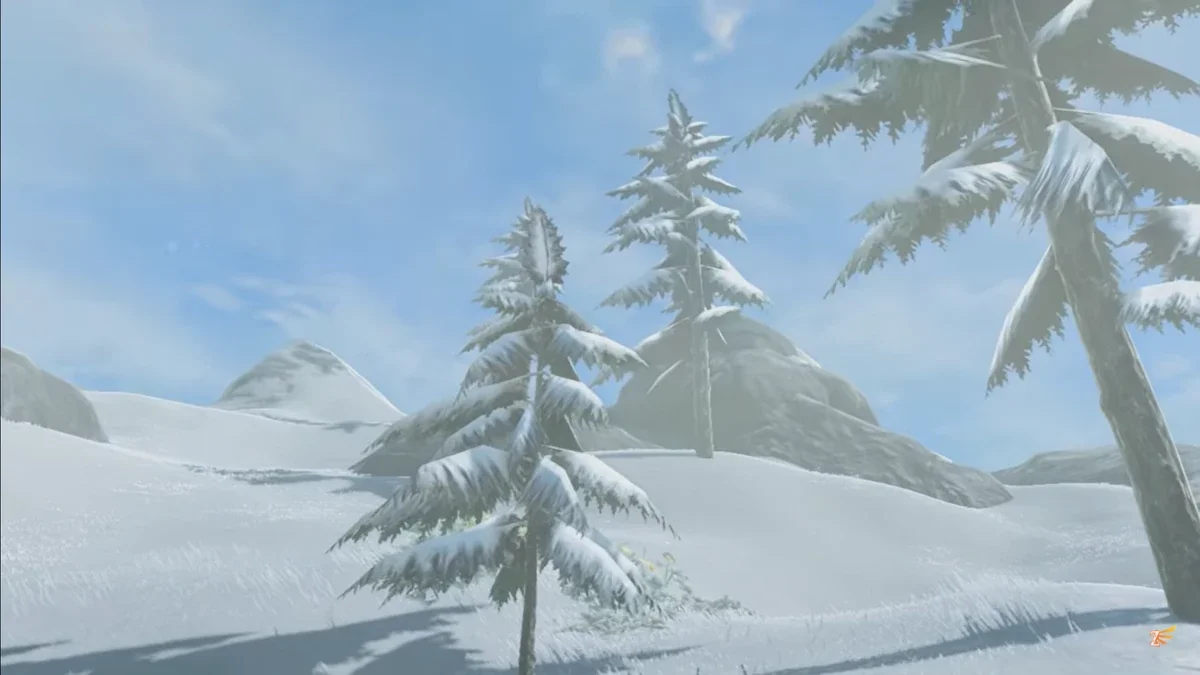
In the game, Hebra is one of the coldest regions of Hyrule. Snowstorms are common, temperatures are freezing, and Link needs warm clothing or food buffs to survive. The region includes places like Rito Village, built into a large rock pillar surrounded by snowy cliffs, and the Hebra Mountains, which are covered with deep snow and icy lakes. Wildlife in the area includes cold-adapted animals such as moose and wolves.
This region resembles alpine and arctic mountain biomes on Earth, such as the Rocky Mountains, the Alps, or northern Canada. In these environments, temperatures remain cold for much of the year, and the growing season for plants is very short. Vegetation tends to be sparse, consisting mainly of hardy grasses, mosses, and shrubs. Animals survive through thick fur, fat insulation, and seasonal behaviors like migration. Just like Hebra, real alpine environments are beautiful but harsh places where only specialized species can survive.
Gerudo — Desert Biomes
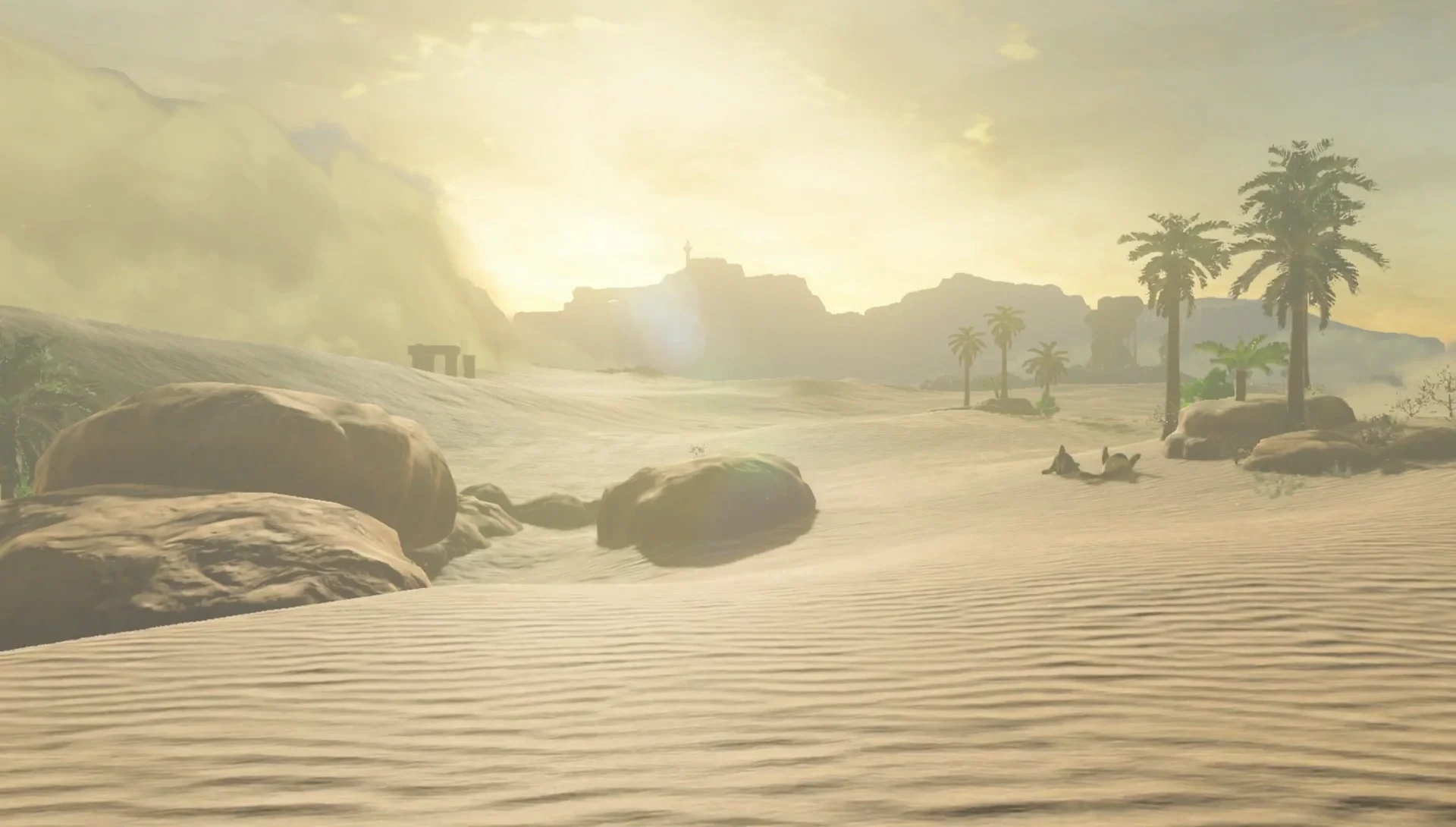
The Gerudo region in the southwest is dominated by the Gerudo Desert, a vast area of sand dunes, rocky cliffs, and intense heat. During the day, the temperature becomes dangerously hot, requiring Link to wear heat-resistant clothing or consume cooling foods. At night, the desert becomes cold, reflecting the large temperature swings typical of deserts. Key locations include Gerudo Town, a fortified desert city, and the towering Divine Beast Vah Naboris, which roams the desert sands.
This environment closely resembles real hot desert biomes, such as the Sahara Desert in Africa or the Mojave Desert in the United States. Deserts receive very little rainfall, so life must adapt to conserve water. Plants like cacti store water in thick tissues, while animals often avoid the heat by becoming nocturnal. Temperature swings between day and night are common because dry air does not retain heat well. The survival strategies needed in Gerudo reflect many of the same environmental challenges found in real deserts.
Faron – Tropical Rainforest
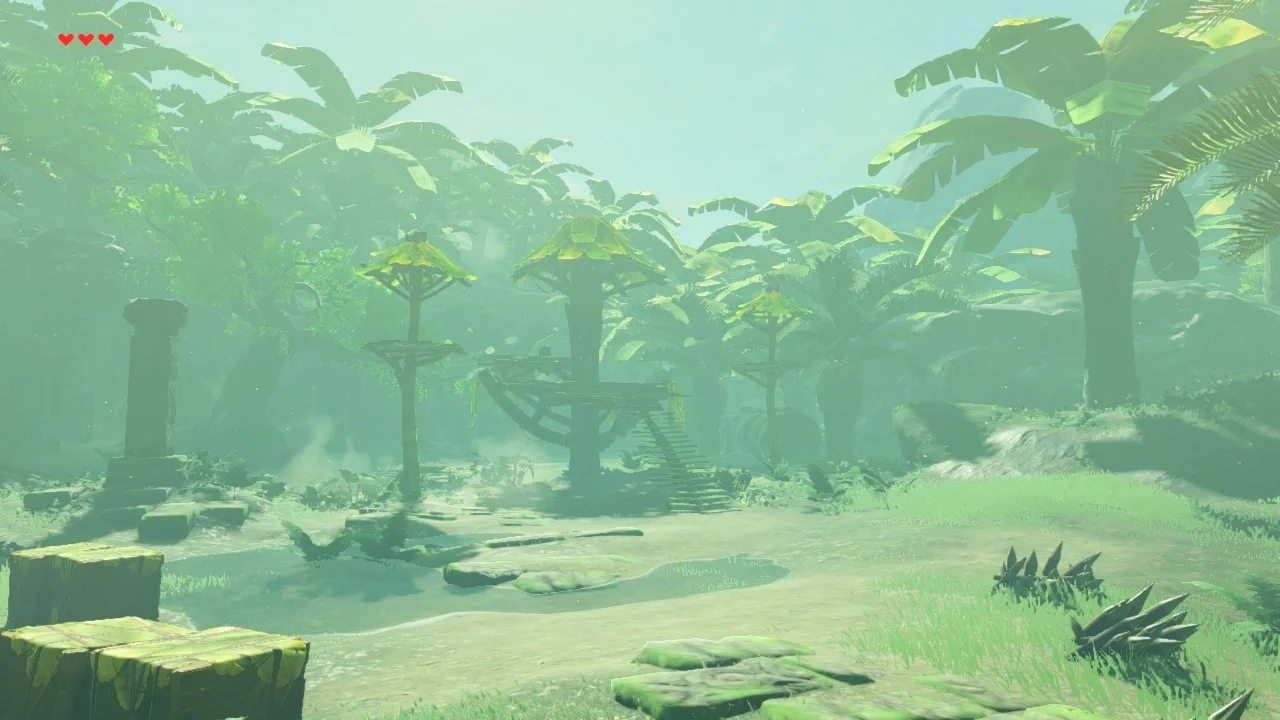
The Faron region is one of the most lush and vibrant areas in the game. It is filled with dense forests, tropical plants, rivers, and frequent rainstorms. Locations like Lurelin Village and Lake Floria highlight the warm coastal environment. The region also contains many waterfalls and ruins hidden within thick vegetation, making exploration feel like traveling through a jungle.
Faron strongly resembles tropical rainforest ecosystems such as the Amazon rainforest in South America or the rainforests of Southeast Asia. These environments are warm and humid year-round and receive large amounts of rainfall. Tropical rainforests are known for having some of the highest biodiversity on Earth, with thousands of plant and animal species living in a single region. The dense plant growth, tall trees, and rich wildlife seen in Faron reflect the incredible complexity of real rainforest ecosystems.
Eldin – Volcanic Landscape
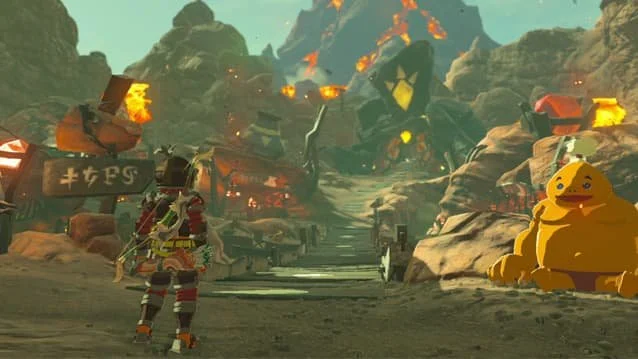
The Eldin region is dominated by Death Mountain, an active volcano that constantly releases lava and heat. In the game, Link must wear special flame-resistant armor to survive the extreme temperatures. The region includes Goron City, where the Gorons live among volcanic rock and lava flows. Rivers of molten lava, smoking vents, and blackened rock create a dramatic volcanic landscape.
This area resembles volcanic environments found in places like Hawaii, Iceland, or Mount Etna in Italy. Active volcanoes release magma, ash, and gases from deep within the Earth. While volcanic eruptions can be destructive, they also create new land and mineral-rich soil. Over time, plants and organisms begin to colonize these areas, gradually forming new ecosystems. Eldin captures the powerful geological forces that shape volcanic landscapes in the real world.
Lanayru – Wetlands and Freshwater Systems
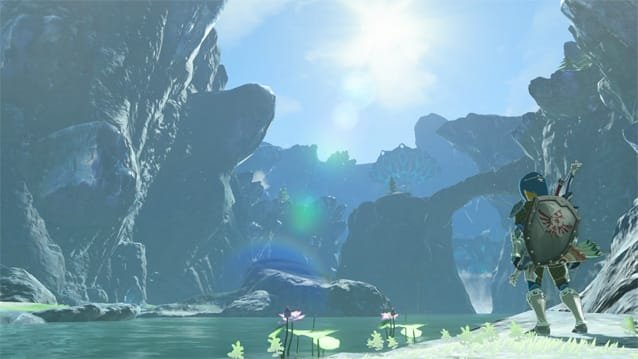
The Lanayru region contains lakes, rivers, wetlands, and coastal cliffs. Areas like Zora’s Domain sit near large waterfalls and river systems that flow through the landscape. The region is filled with water-based wildlife and aquatic environments, emphasizing its connection to freshwater ecosystems.
In the real world, this environment resembles wetlands, river basins, and freshwater ecosystems such as the Florida Everglades or large river deltas like the Mississippi Delta. Wetlands are incredibly productive ecosystems that support fish, amphibians, birds, and many aquatic plants. They also serve important ecological functions, including filtering water and reducing flood damage. The water-rich environment of Lanayru reflects the importance of these ecosystems in sustaining life.
Central Hyrule – Temperate Grasslands
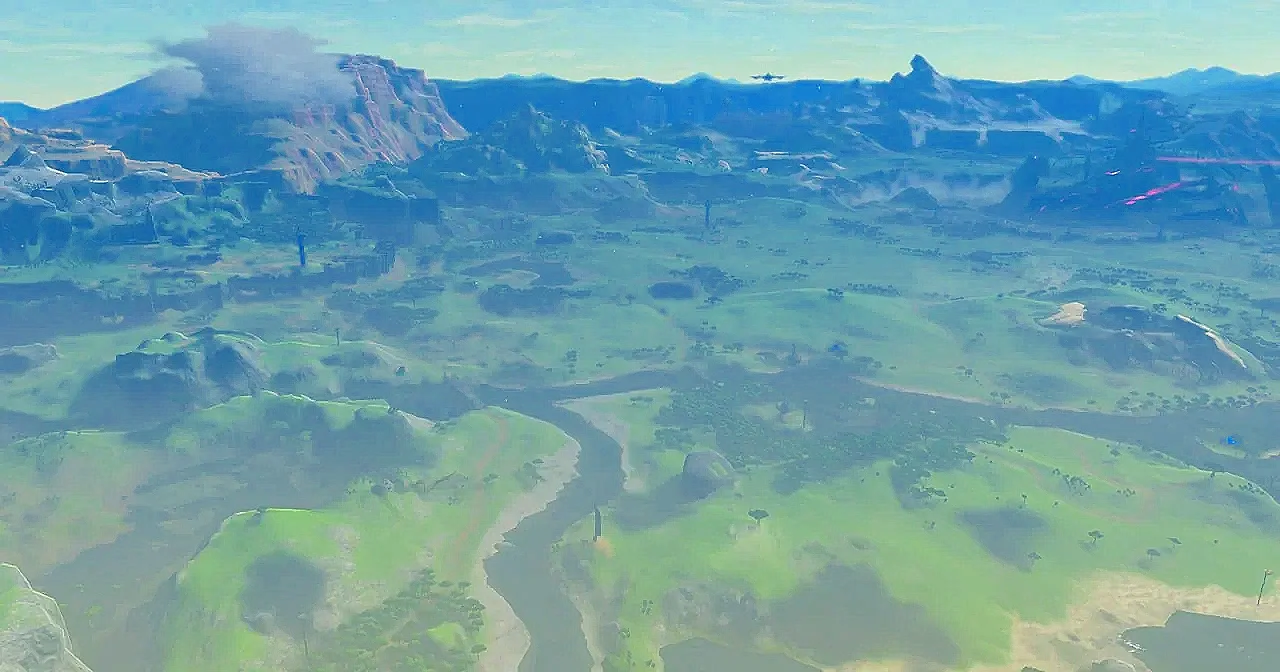
Central Hyrule is the heart of the kingdom and contains wide plains, rolling hills, and scattered forests. The iconic Hyrule Castle sits in the center, surrounded by open land and ruins from past battles. Many wild horses roam the plains, and the area feels open and expansive compared to the mountainous or forested regions elsewhere on the map.
This region resembles temperate grasslands, such as the Great Plains of North America or the Eurasian steppe. These ecosystems feature moderate rainfall, fertile soils, and large open landscapes. Because grasslands are ideal for agriculture and grazing animals, many human civilizations historically developed in these environments. The placement of Hyrule’s capital in this fertile central region reflects how real societies often build cities in productive plains.
Necluda – Temperate Forests and Rural Hills
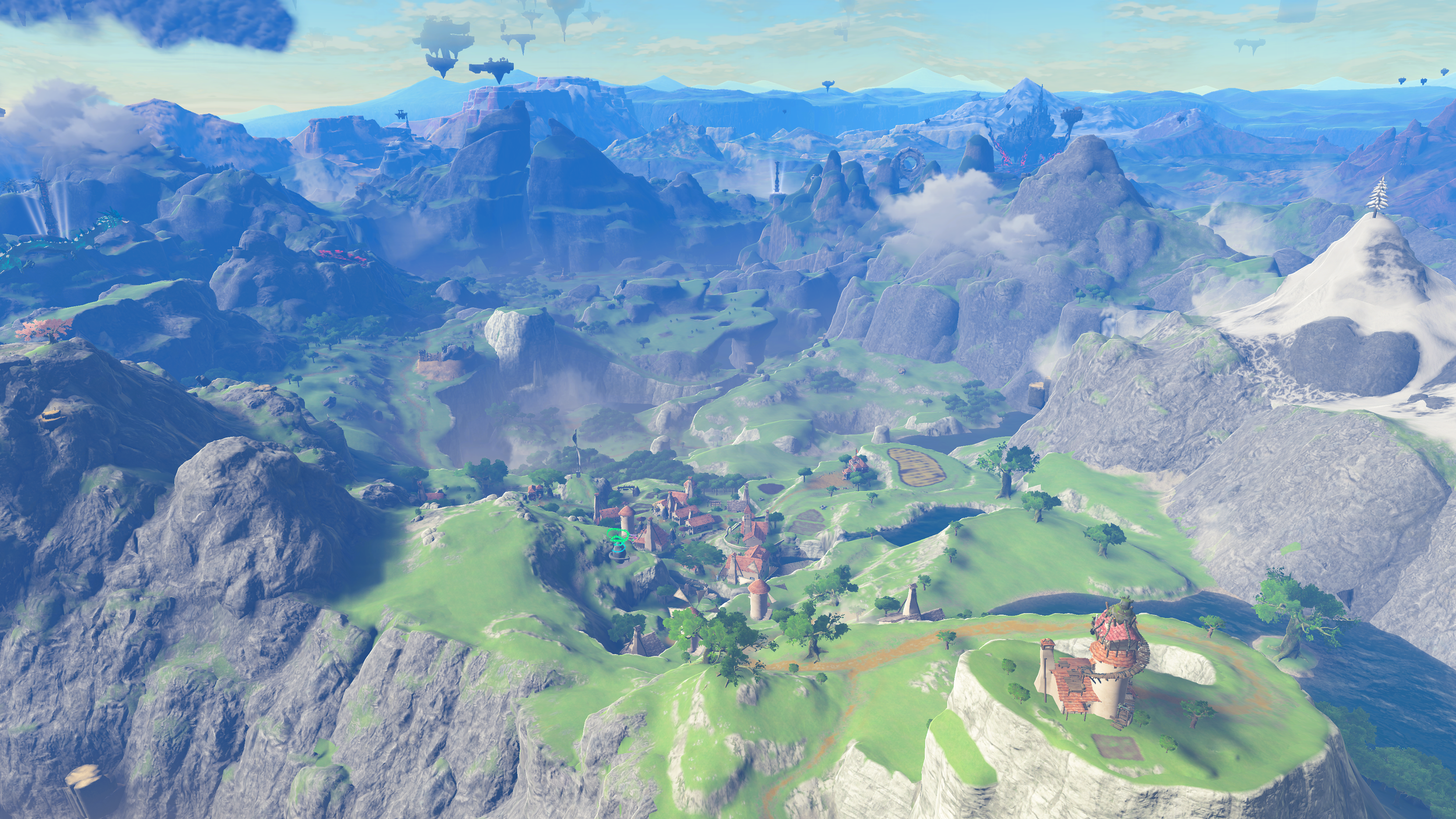
The Necluda region features forested hills, valleys, and small villages like Kakariko Village and Hateno Village. The area has a mild climate and fertile land that supports farming and human settlement. Forests, rivers, and cliffs create a peaceful countryside environment.
Necluda resembles temperate forest ecosystems found in regions like the Appalachian Mountains in the United States or rural areas of Japan. These environments experience four distinct seasons and support a wide variety of plants and animals. Deciduous trees such as oak and maple dominate many temperate forests, creating layered habitats for wildlife. The rural settlements in Necluda reflect how real communities often develop in fertile valleys surrounded by forests.
The different regions of Hyrule resemble real-world biomes. Temperature, water availability, and terrain influence what organisms appear in each area. These patterns reflect ecological principles such as environmental adaptation, niche specialization, and biodiversity. While fictional, the game world still follows many of the same biological rules that shape life on Earth.
I really hope you gamers out there enjoyed this post! Breath of the Wild is one of my favorite video games, and it was really fun connecting the world of Hyrule with real topics in biology and ecology. It’s amazing how many environments in the game reflect real-world ecosystems. Thanks for reading!!
Note: Some images may be from TOTK. Same map as BOTW though.