Black Beaches in Iceland
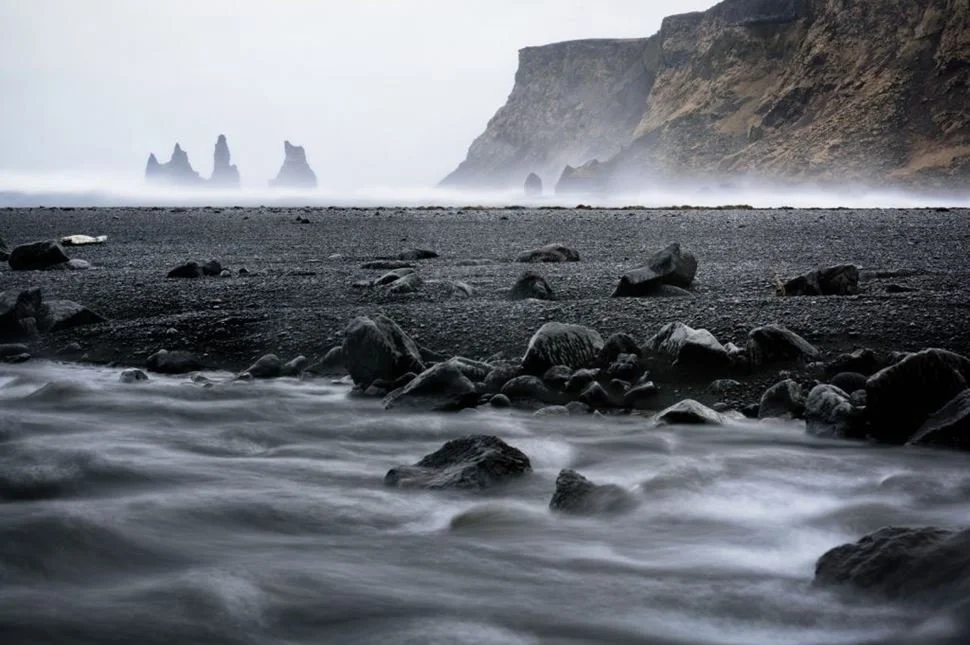
When I was in Iceland, one of the first things I noticed was that the beaches look nothing like the ones I’m used to seeing. Instead of soft, light-colored sand, a lot of Iceland’s coastline is covered in dark, almost completely black sand. These black sand beaches are found all over Iceland, but some of the main places I remember seeing them were around Vestrahorn, which is sometimes called Bat Mountain, and at Diamond Beach near Jökulsárlón Glacier Lagoon. It looks unusual at first, but once you understand how Iceland formed, it actually makes a lot of sense.
Iceland is one of the most volcanically active places in the world. One of my parents’ friends visited Iceland, and only a short time after they left, one of the volcanoes erupted. It really shows just how geologically active Iceland still is. Iceland sits on the Mid-Atlantic Ridge, where the North American and Eurasian tectonic plates are slowly pulling apart, and it also sits over a volcanic hotspot. Because of this, eruptions have been building the island out of lava and other volcanic material for millions of years.
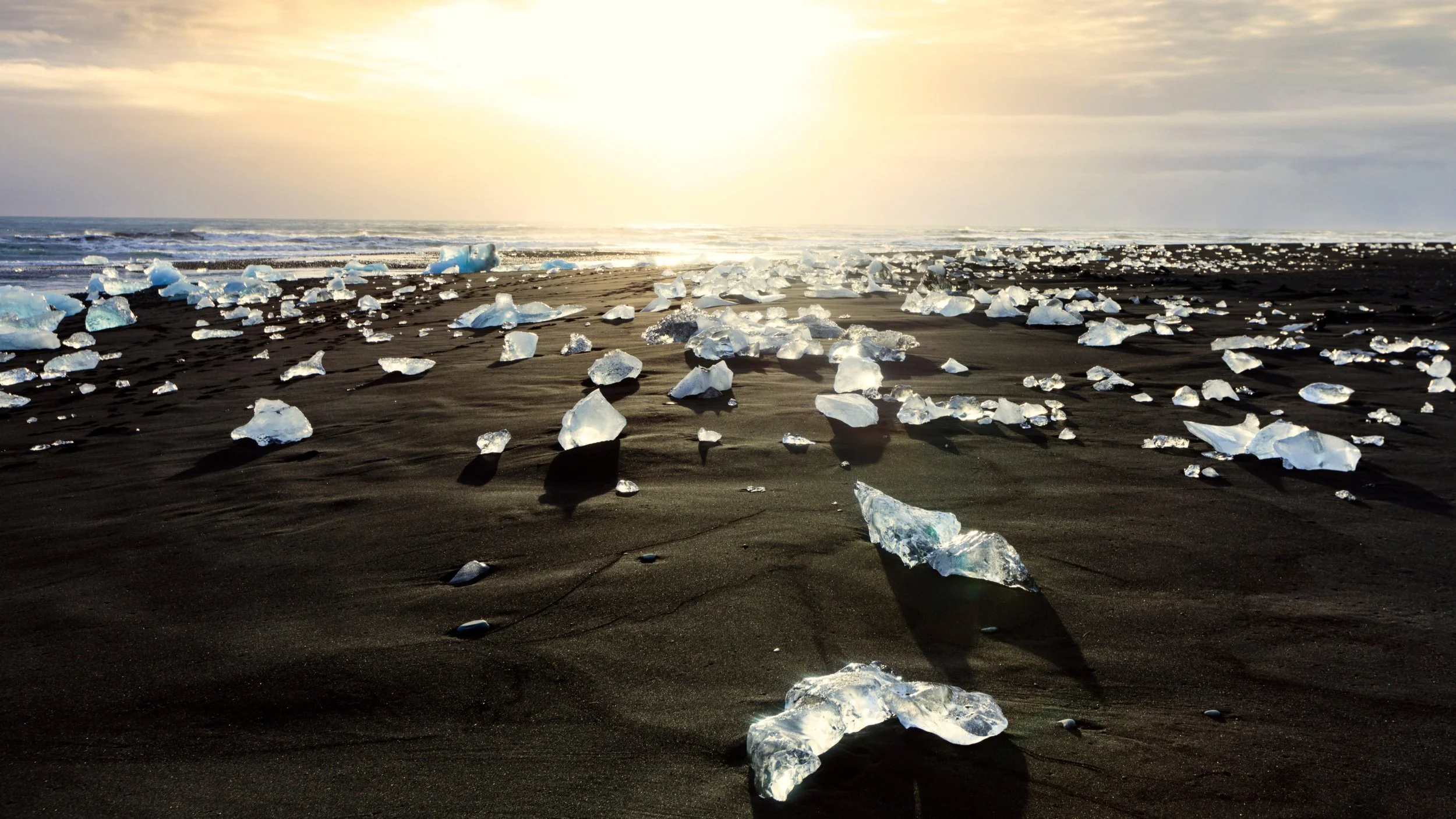
A lot of this lava is basalt, a dark volcanic rock that contains minerals rich in iron and magnesium. Since beaches are mostly made from whatever rocks are found nearby, Iceland already has the perfect source material for black sand.
The next step is breaking that rock down. This can happen in several ways. When extremely hot lava comes into contact with cold ocean water or ice, it can cool so quickly that it cracks and breaks apart. Some eruptions also happen underneath glaciers or underwater, where the interaction between magma and water can produce large amounts of fragmented volcanic material.
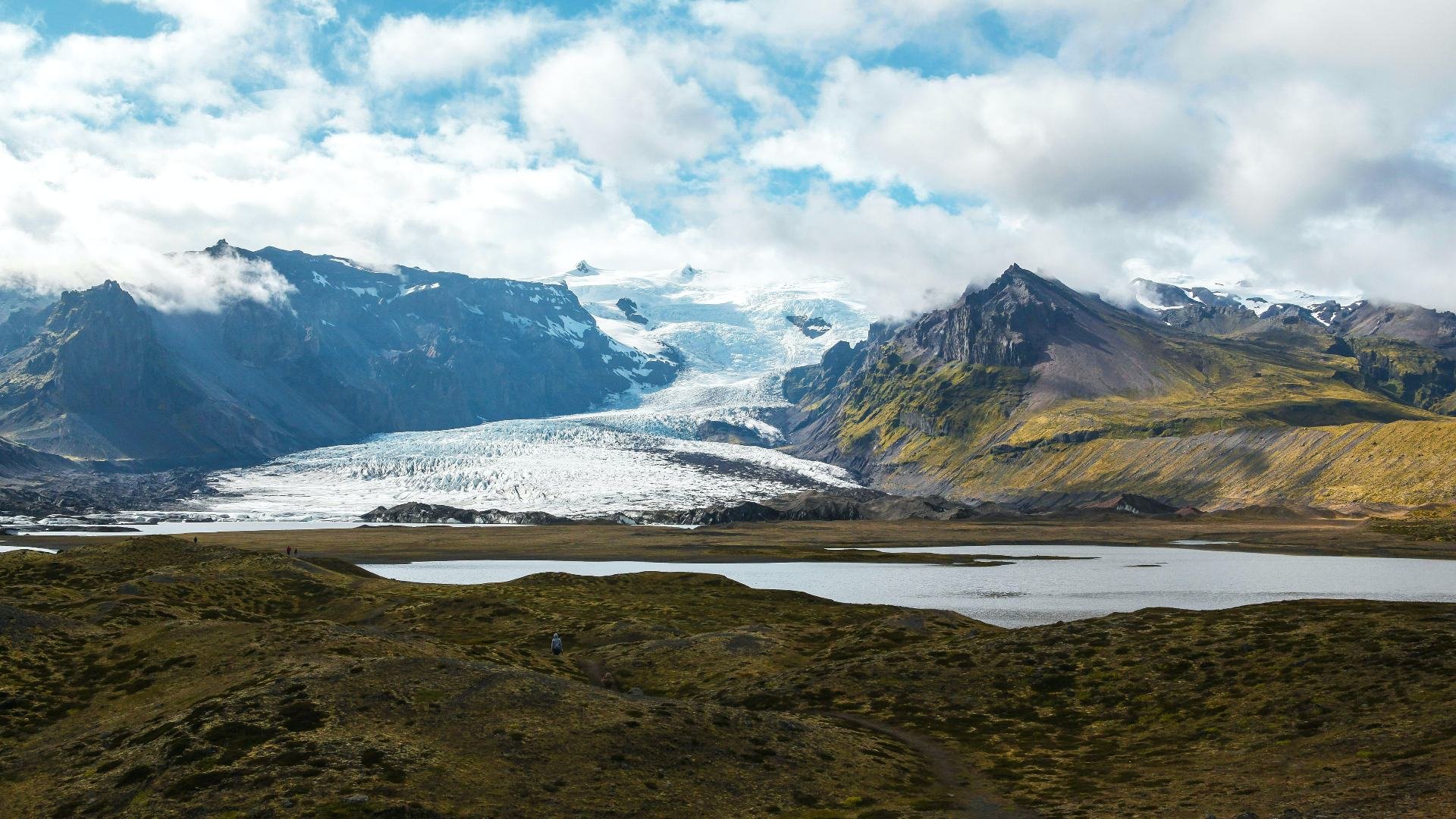
Glaciers, rivers, freezing temperatures, and waves also help break the rock down over time. Iceland is a relatively cold country and still has many quickly retreating glaciers. A tour guide told us that tourists who visit Iceland frequently can notice clear differences in the water levels and sizes of lakes that receive glacial meltwater. Glaciers scrape against the ground as they move, crushing pieces of basalt and carrying them along. Meltwater rivers then move some of this material toward the coast. Once it reaches the ocean, strong Atlantic waves repeatedly smash the rocks against each other and against the shore, slowly grinding them into smaller and smaller pieces. Eventually, those pieces become grains of black sand.
This is different from how many lighter-colored beaches form. Some tropical beaches are made mostly from broken coral, shells, and other calcium carbonate material. Many other beaches contain a lot of quartz, which is a light-colored mineral that is very resistant to weathering.
Iceland has much less of that type of material. Instead, much of the land is made from relatively young, dark volcanic rock, so the sand produced from it stays dark as well. Iceland’s black beaches are really just a reflection of the island itself. The land is volcanic, the rocks are dark, and over time erosion turns those rocks into black sand. It’s a really cool phenomenon that you don’t see everywhere.
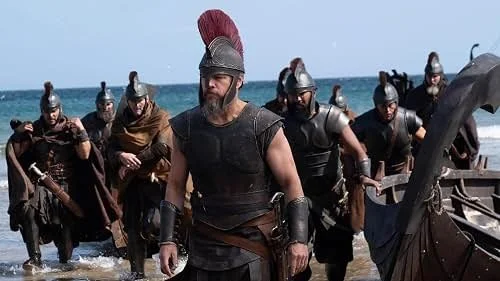
Iceland’s black sand was even one of the reasons famous director Christopher Nolan chose to film part of The Odyssey there. The Underworld scene, where Odysseus travels to Hades to ask the dead for help finding his way home, was filmed around Hjörleifshöfði mountain in southern Iceland. Nolan wanted Iceland’s black sand beaches to represent Hades because the dark volcanic landscape looked so different from Odysseus’s home in Greece. Iceland’s black beaches really help set the scene for a great movie!
