Plants in Albany Pine Bush
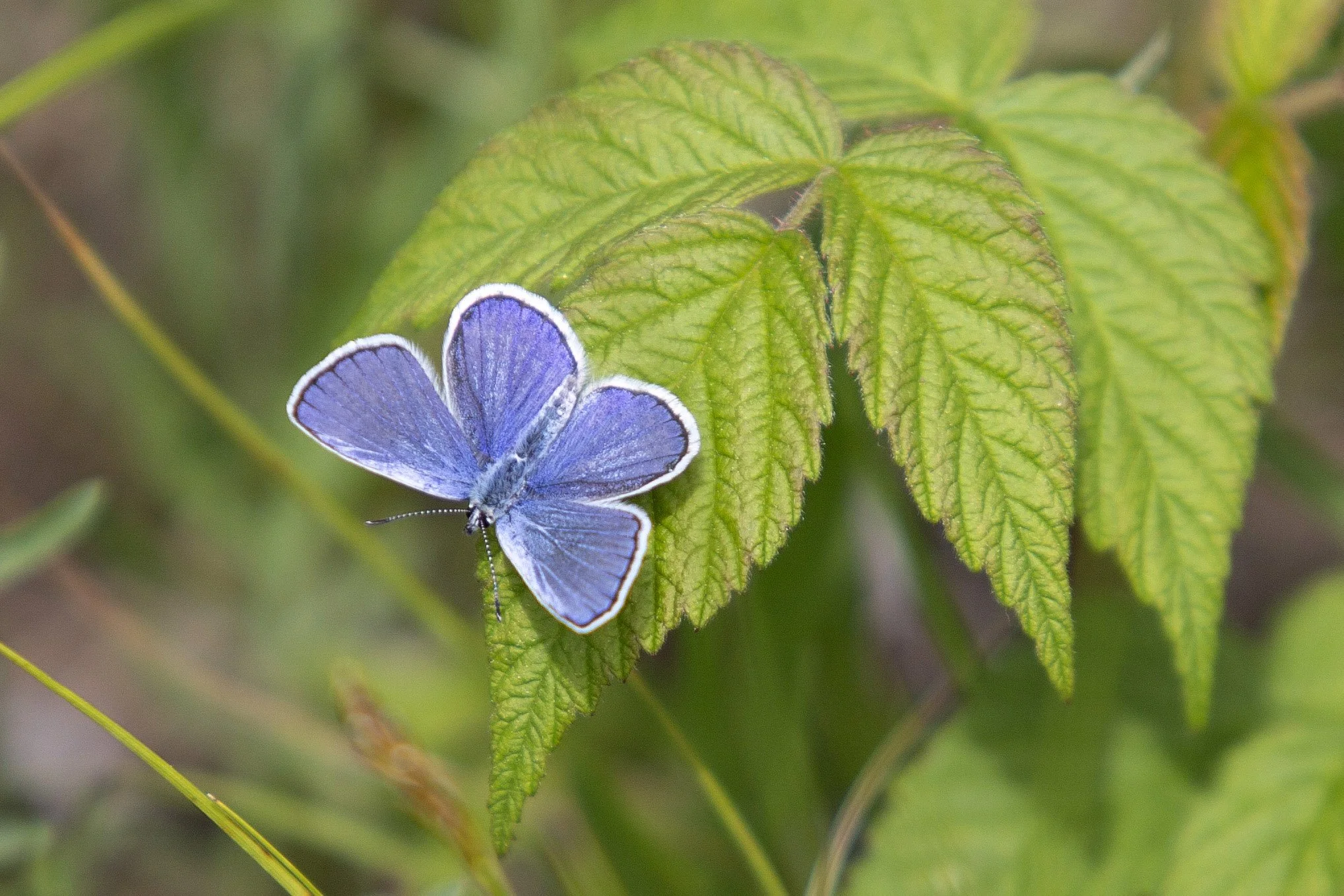
Today I went to the Albany Pine Bush Preserve for seed collector certification training! We did not actually collect seeds yet, but we started learning how the process works and, it was more interesting than I expected.
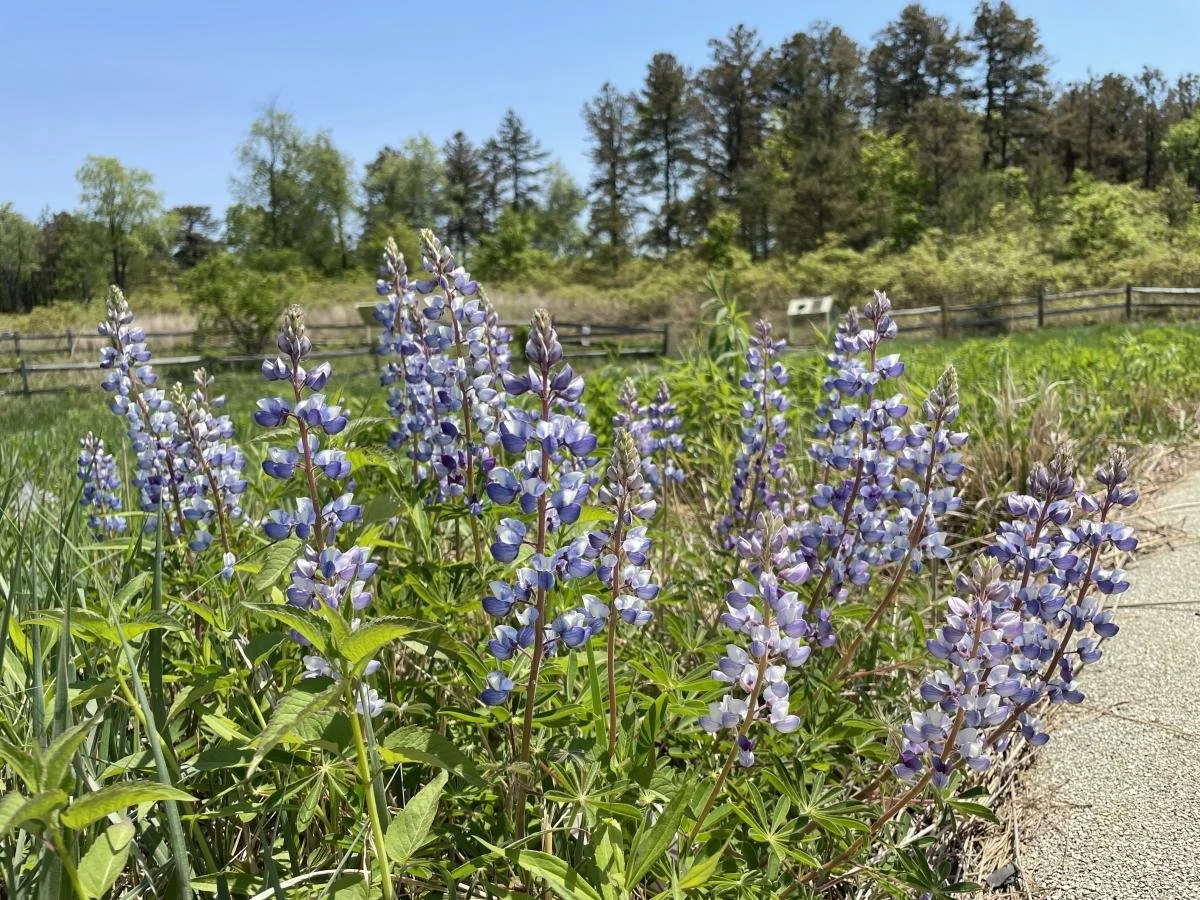
At first, I thought seed collecting would be pretty simple. You find a plant, take some seeds, and put them in a bag. But during the training, I realized there is a lot more to it. Before you can collect anything, you have to actually know what plant you are looking at. That sounds obvious, but once you are outside, surrounded by grasses, leaves, flowers, and shrubs that all look kind of similar at first, it becomes a lot harder.
Most of what we did was practice identifying native plants. We looked at plants like wild blue lupine, spotted horsemint, New Jersey tea, goat’s rue, showy tick trefoil, scrub oak, round-headed bush clover, butterfly milkweed, big bluestem, and Indian grass. Some of the names were completely new to me, and some of the plants looked pretty ordinary until someone pointed out the details. Then I started noticing things like leaf shape, flower color, seed pods, and how the plants grow.
That was probably the coolest part. It made me realize that nature is not just “green stuff” in the background. Every plant has a name, a role, and a reason it belongs there. Once I started trying to identify them, the preserve felt more alive. It’s like learning to be friends with someone you just met. You learn their characteristics, and overtime, grow to see patterns in what they like, and what they don’t like.
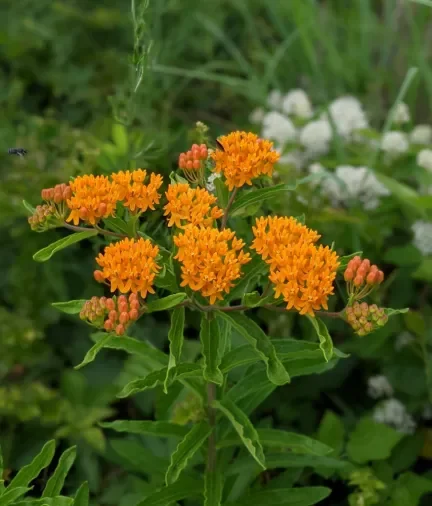
The training also made me see why seed collecting matters. Native plants help keep the Albany Pine Bush healthy, and collecting seeds the right way can help restore areas where those plants are needed. Even though we were only learning the basics today, it felt like a first step into something bigger. Efforts by conservationists recently brought back a woodpecker couple that hasn’t been seen in 14 years, according to our guide, which was really cool! Also the Wild Blue Lupine promotes Blue Karner Butterfly population growth.
By the end, I definitely did not feel like an expert. I still have a lot to learn before I can confidently identify everything or collect seeds correctly. But I left feeling more interested than when I arrived. This was just the beginning, but it made me excited to keep learning more. Maybe the next time I see one of those plants, I will actually know what I am looking at.
